Lincoln’s Heart
Leadership when uncomfortable emotional experiences are welcomed
I have gleaned much wisdom from the late great Charlie Munger, and one such nugget is: “There is no love that’s so right as admiration-based love, and that love should include the instructive dead.” This essay comes from that place.
I read Doris Kearns Goodwin’s biography of Lincoln, Team of Rivals, in November and I keep coming back to it. The book depicts what it actually felt like to live through the American Civil War from the perspective of the man at the center of it.
Abraham Lincoln’s presidency is among the most revered displays of leadership in human history. What Lincoln pulled off was not simply political, it was emotional artistry of the highest order.
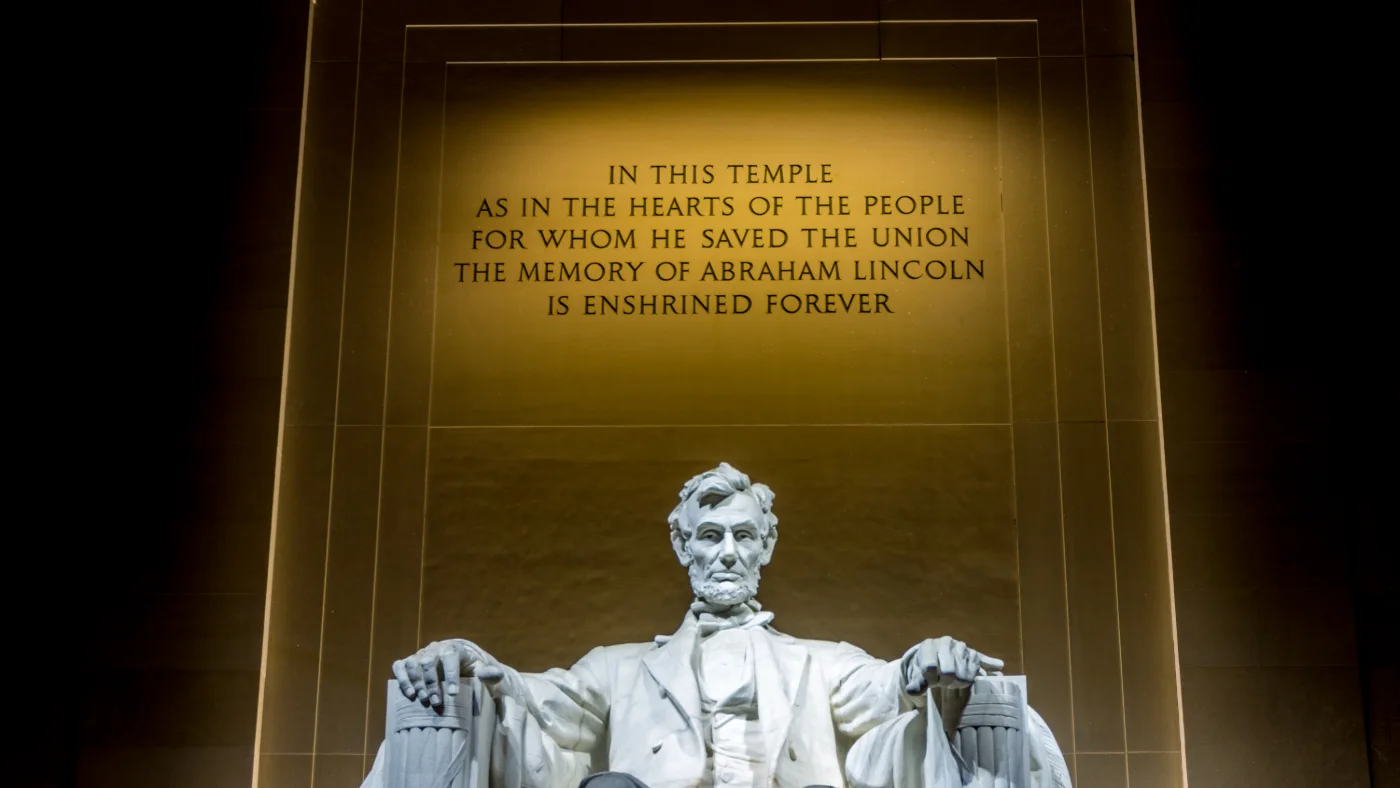
Lincoln was born in a log cabin in Kentucky in 1809. He lost his mother at nine years old. He was raised on the frontier; he had less than one year of formal schooling in his entire life. He taught himself law by reading borrowed books by candlelight, and spent years riding the judicial circuit across Illinois, trying cases in backwater courthouses.
Abraham Lincoln was a profoundly sad man for the entirety of his adult life. His law partner of 21 years, William Herndon, wrote: “Lincoln’s melancholy never failed to impress any man who ever saw or knew him. The perpetual look of sadness was his most prominent feature.”
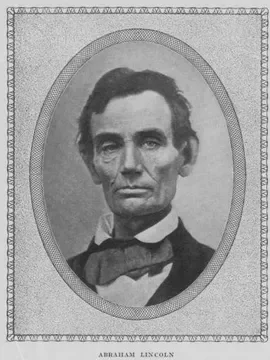
And yet the same man could spring into such animation—such aliveness—that he’d hold an entire room captive for hours with his humor and wit. A different colleague described it simply: “He was sometimes mirthful and sometimes sad, but both moods quickly passed away and left him always the same man.”
Lincoln’s political career before the presidency was unremarkable. He wasn’t supposed to win.
But he did. And then he did something that took a lot of balls: he put his rivals in his cabinet.
He put the men who ran against him—men who thought he was a joke, who expected to control him, who openly plotted against him—and made them his closest advisors.
And then he won them.
Seward, who came in thinking he’d be the power behind the throne, became Lincoln’s closest friend and most devoted ally. Stanton, who had openly mocked Lincoln as a “long-armed ape” before the war, wept at his deathbed and said, “Now he belongs to the ages.” Even Chase, impossible Chase, served Lincoln faithfully as Treasury Secretary through the most brutal years of the war, even as he plotted to take Lincoln’s job.
Lincoln chose his cabinet because they were the best men for the job. He didn’t need their respect to recognize their competence.
Lincoln had an uncanny capacity to see people clearly and hold great respect for them, even if those same people despised him. They would come at him with hot emotions and be met with deep care & unwavering courtesy. He listened generously and carefully, but always made his own decisions. How can you continue to hate a man who treats you like this? With time, how could you not come to respect him in turn?
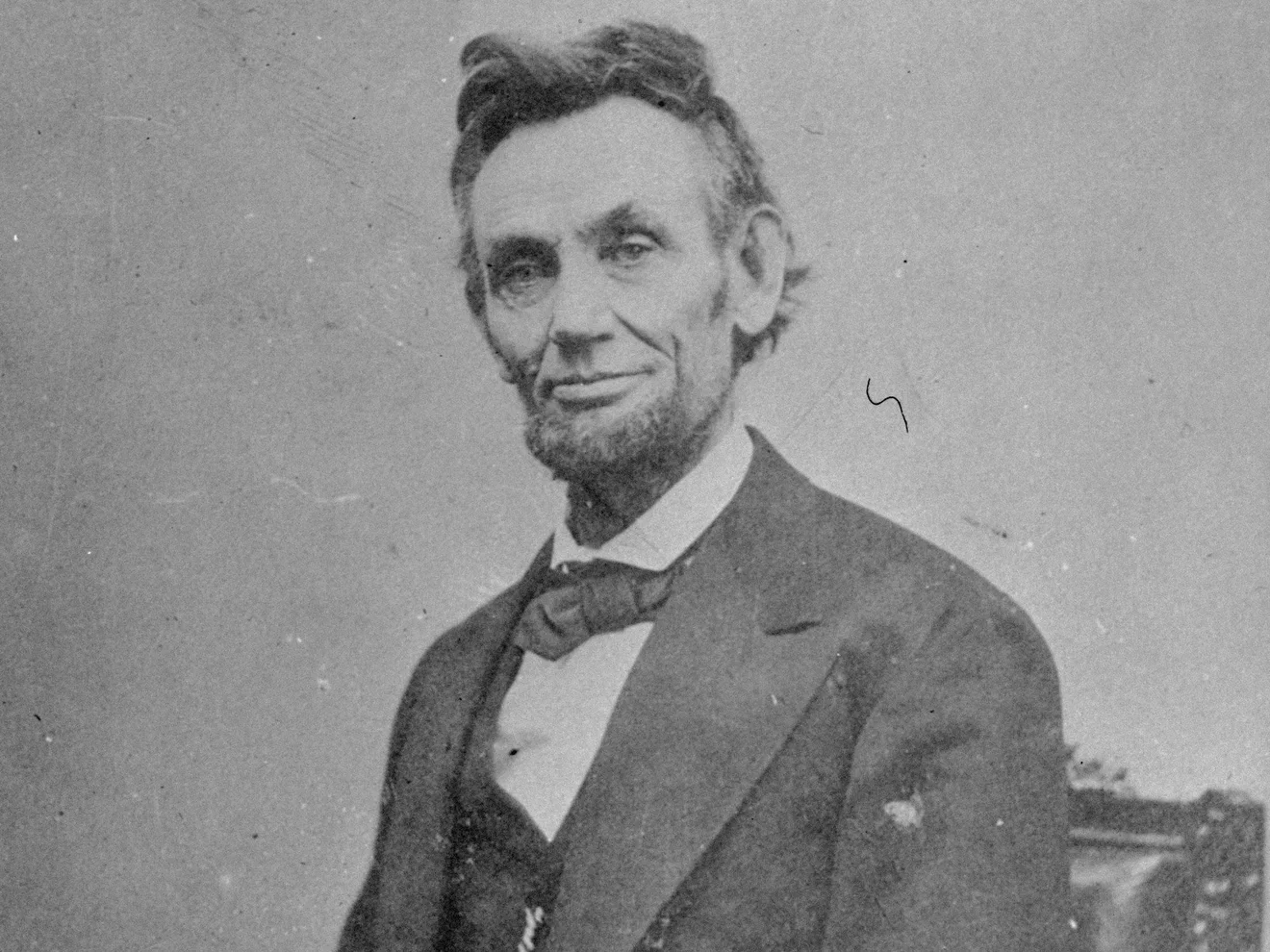
Lincoln was elected into a nation already tearing itself apart. Within months of his inauguration, the South seceded. The Civil War began. Over 600,000 Americans would die before it ended.
Lincoln wasn’t calling for abolition of slavery. Not yet. His public position was to stick to the Constitution and prevent slavery from spreading to new states.
But the man personally found slavery morally abhorrent. As he put it: “If slavery is not wrong, nothing is wrong. I can not remember when I did not so think, and feel.”
He just couldn’t lead with that. He had to meet people where they were. Border states would bolt if abolition came too fast. Northern whites would fight to preserve the Union but not to free Black people. To hold these factions, he had to consistently disappoint the radicals in his own party pushing aggressively for sweeping abolition.
The Emancipation Proclamation, which freed all slaves in rebel states, was a masterpiece of that tension: it was framed as a military necessity, not a moral crusade. Radicals were furious it didn’t go far enough. Conservatives were furious it existed at all. Lincoln absorbed both. He let people excoriate him in the press. He let his own allies call him spineless. He wrote: “I have endured a great deal of ridicule without much malice; and have received a great deal of kindness, not quite free from ridicule. I am used to it.”
And it worked. Ultimately, Lincoln was able to set in motion the abolition of slavery. Slowly, incrementally, gorgeously, he led a nation to right one of its greatest sins.
Lincoln knew people. It’s what made him such an effective politician. But his capacity to see people clearly wasn’t merely a political technique. It came from deep inner work.
It came from a man who had made peace with his own pain, who didn’t need other people’s hostility to mean something about him; a man who could let that hostility pass through without distortion and respond to the actual situation rather than to the threat of hard-to-bear emotions.
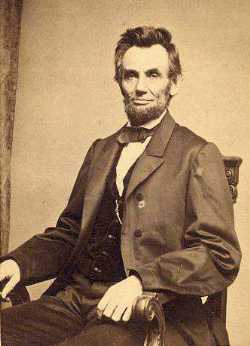
Lincoln was well known for taking responsibility for his subordinates’ failures and never publicly assigning blame. Of course, he still got angry.
After Gettysburg, when General Meade allowed Lee’s defeated army to escape across the Potomac in a moment Lincoln believed could have ended the war, Lincoln was furious. He sat down and wrote what he called a “hot letter”:
I do not believe you appreciate the magnitude of the misfortune involved in Lee’s escape. He was within your easy grasp, and to have closed upon him would, in connection with our other late successes, have ended the war. As it is, the war will be prolonged indefinitely… Your golden opportunity is gone, and I am distressed immeasurably because of it.
He then folded the letter, put it in his desk, and wrote on the envelope: To Gen. Meade, never sent, or signed.
This was a habit. A number of such letters were found in his desk after his assassination. He would write an angry letter, file it, and either let the matter rest or have a measured telegram sent through proper channels.
He gave his anger somewhere to go, in order to stay clear in himself. Then he acted.
Here’s what I’ve come to believe: Lincoln’s capacity to lead through impossible tension was built from his habit of being with the deep emotion he carried in his own heart.
In the second year of the war, Lincoln’s beloved eleven-year-old son Willie died of Typhoid in the White House.
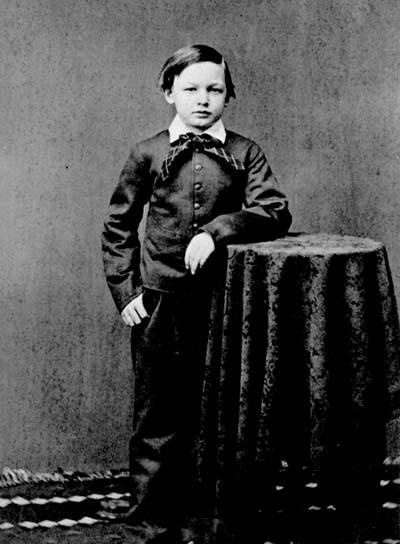
In the weeks that followed, Lincoln visited Willie’s crypt again and again. He had the casket opened so he could look at his boy. He sat there and wept for hours.
And then he went back to the White House and masterfully governed a nation at war.
Not because he got over it. He never got over it. But because he had spent a lifetime learning to carry pain without letting it close him down.
The depth of feeling that made Lincoln a profoundly sad man was the same depth of feeling that let him hold the heartbreaking reality of a divided nation and see clearly what needed to be done. If you close yourself off from heartbreak, you lose the capacity to stay in deep connection with people and situations that are painful. To maintain his humanity in the face of impossible tradeoffs, to be a competent leader in the brutal marathon of war, Lincoln grieved the consequences of his decisions, and took action from a heart that could hold it all.
In his Second Inaugural, with the war nearly won, and over half a million young American men dead, Lincoln said: “With malice toward none, with charity for all, with firmness in the right as God gives us to see the right, let us strive on to finish the work we are in, to bind up the nation’s wounds.”
Sit with that. From some other politician, those might have been empty words. Not from Lincoln. He lived them every day of his presidency.
Lincoln’s heart was a masterpiece.
← Back home