A Work of Art
Glenn Gould, Steve Jobs, and an exploration on work as creative expression
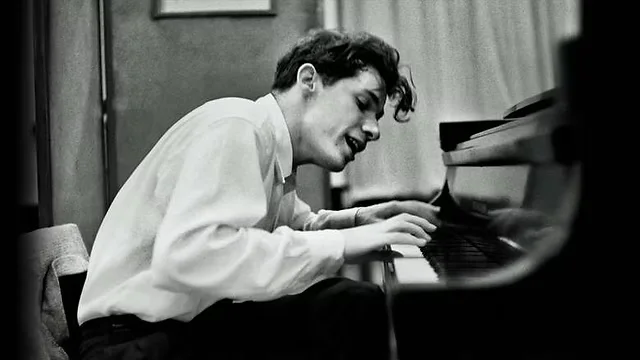
Glenn Gould was a Canadian pianist known for vibrant, innovative reinterpretations of classical Bach. Traditionally, classical pianists don’t stray from the express will of their long-dead composer. Gould, however, broke convention and brought new life to Bach through his own unique flair. From a lesser artist, such alterations to Bach’s complex polyphonic textures might have been disastrous. Instead, Gould’s Bach renditions are arguably among the greatest artistic creations humanity has ever produced. Indeed, his music was chosen for NASA’s Golden Record to represent the human race among the stars.
I learned of Glenn Gould by way of Steve Jobs. In Jobs’ biography, he names Gould’s two renditions of Bach’s Goldberg Variations among his favorite music of all time. I can’t help but wholeheartedly agree. Since I read Jobs’ biography eight months ago, it’s a rare week that I have not turned to one of Gould’s Goldberg albums to accompany my day. The first rendition, taken in 1955 at the inception of Gould’s career, is fast and fresh, rushing along like a mountain stream. The second rendition, taken in 1981 shortly before his death, is slower and more contemplative, like the gentle unravelling of that same stream as it dissolves into the ocean.
Steve Jobs recommended we “expose [ourselves] to the best things humans have done and then bring it into what [we] do.” He considered Gould’s work among these. So what can be gleaned from the greatness of Glenn Gould?
Having studied the man, the most salient point I can offer is that beautiful art is beautifully felt. When Gould played, he often sang along to the music. He swayed, conducted, and leaned close to the keys. These unbridled movements arose from his emotional attunement to the music. Gould didn’t play music. When Gould played, he was music. Great art is brought forth from deep internalization of a creative medium. The art flows from an embodied, non-verbal part of our intellect that can communicate in ways words cannot.
Steve Jobs was a notoriously tempestuous man. He felt deeply and acted from an intuitive sense of right and wrong. He would cry and rage, and he brought an intensity of concentration to his work that could be shocking to come across. While imperfect, Jobs accomplished great things at Apple and was driven by the same artist’s craft that drove Gould. The difference is that instead of piano, Jobs’ creative medium was building great products and a culture of excellence at Apple:
Jobs saw himself as an artist, and he inspired us to adopt that mindset too….Our aim was never about outdoing the competition or financial gain. It was about creating the sublime, or perhaps something even beyond that. —Andy Hertzfeld
With this perspective, Jobs was able to turn Apple into the innovative powerhouse it is today, claiming the largest market cap of any company in the world.
Synthesizing these stories, I posit this: all work done well is at its essence art—be it science, building a company, or leading a country. Gould produced masterworks by profoundly feeling into his music. Great scientists are known for this as well; Einstein’s unparalleled intuitions in physics (i.e., his famous “Gedankenexperiments”) emerged from a playful captivation with nature’s governing laws. Similarly, in Silicon Valley it is well known that the best products are born from real, carefully cultivated empathy with the intended customers. Beautiful things can result from prolonged investment in building an embodied, intuitive understanding of a medium.
I, personally, will take this as an invitation to cultivate my inner artist: to make space in my life to write, dance, and above all to feel what it is like to engage and create from a pure, unreserved place. Like Glenn Gould. And like Steve Jobs, I will also endeavor to bring that same creative energy to my efforts to make an impact in the world.
← Back home